
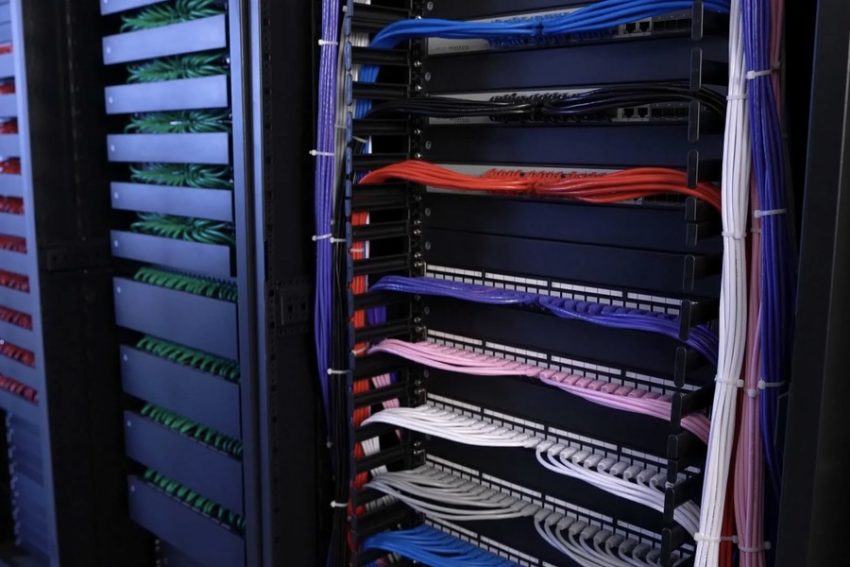
Server rooms are the nerve center of an organization’s IT infrastructure, handling data flow, storage, and connectivity. With high-density equipment installations, server rack wire management by BonnGulf becomes essential—not just for aesthetics but also for operational efficiency, safety, and future scalability. Proper cable organization improves airflow, simplifies maintenance, and ensures that you can scale the infrastructure without starting from scratch. Here’s a deep dive into creating a cable management system that keeps your server room efficient, organized, and ready for growth..
Where to Start and What You’ll Need
Cable management may look straightforward, but it’s a systematic process. Start by visualizing the layout you want and gather the right tools. Proper planning ensures cables are set up with future growth and ease of maintenance in mind. A detailed approach avoids the need to dismantle and reorganize cables later.
Key Items for Cable Management Setup
Cable Ties: Secure cables in bundles, ensuring organization and ease of maintenance.
Velcro Straps: An adjustable alternative to ties, allowing for easy rearrangement.
Cable Trays and Racks: These pathways help keep cables off the ground, separating data and power cables, and maintaining airflow.
Vertical and Horizontal Cable Managers: These tools are essential to keep cables organized while protecting them from damage.
Labeling Tools: Printed labels, markers, and color-coded tags are indispensable for identifying cables.
Patch Panels: Keep connections neat, with easily accessible points for plugging and unplugging.
Planning helps identify the cable types you’ll need, including varying lengths, thicknesses, and colors based on specific roles. Additionally, select equipment with thoughtful layouts, leaving ample room for routing cables.

Why Proper Cable Management Matters
Cable organization may not seem crucial at first glance, but it contributes significantly to overall server room efficiency. Here are some of the key benefits:
- Optimized Cooling: Well-managed cables avoid blocking airflow pathways, allowing cooling systems to perform optimally.
- Easy Scaling: A structured cabling setup facilitates the addition of equipment and cables without disrupting the existing system.
- Reduced Troubleshooting Time: Labeling and organizing cables ensures quick identification during troubleshooting, minimizing downtime.
- Quick Equipment Replacement: Efficient cable management simplifies equipment replacement and prevents cables from tangling.
- Professional Appearance: Neat cable arrangements convey professionalism and give clients and team members confidence in the setup.
General Principles of Cable Management
Effective cable management doesn’t just mean a neat appearance; it also impacts the functionality and safety of your system. Following these principles can help achieve both an organized look and an operationally efficient setup:
1. Follow a Vertical and Horizontal Structure
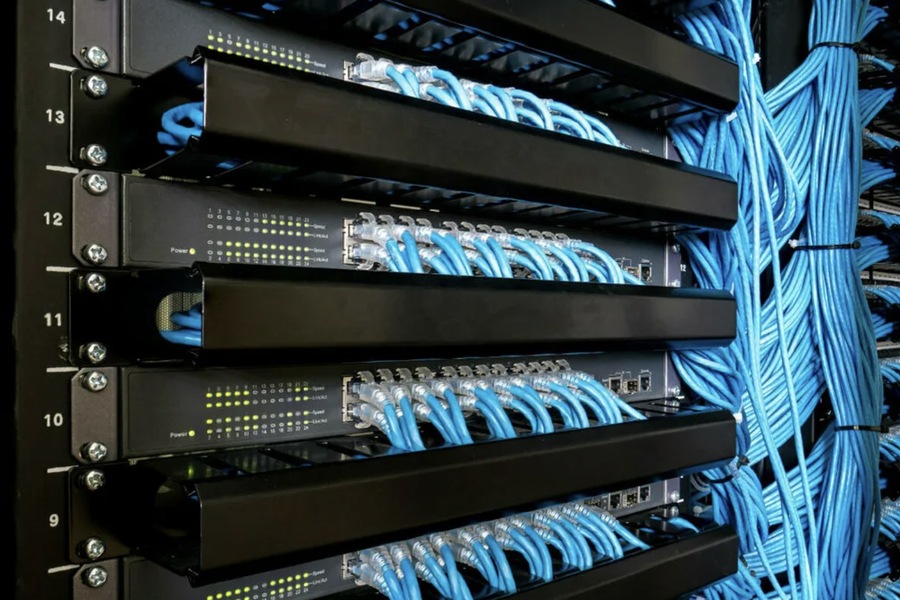
Vertical Cabling: Route vertical cables along the sides of the rack. This arrangement enhances airflow while making it easy to locate specific cables.
Horizontal Cabling: Organize horizontal cabling behind patch panels and switches, keeping pathways clear for airflow and ease of access.
2. Maintain Equipment Density
High-density setups often lead to cabling challenges. Ensure you have sufficient room between devices for proper air movement, and use cable trays or pathways to create neat separation.
3. Directional Routing
It’s often useful to have cables routed in the same direction, especially patch cords connecting different parts of the setup. This avoids tangling and makes it easier to trace cable paths.
4. Use Reduced-Diameter Cables
Reduced-diameter cables save space and minimize congestion in high-density installations. However, ensure they meet the necessary data and power requirements.
5. Avoid Tight Bends
Use vertical organizers with rounded edges to prevent cable kinks. Maintaining the proper bend radius for cables preserves their integrity and longevity.
Labeling and Marking Cables for Easy Identification
When dealing with hundreds of cables, clear labeling saves significant time and confusion. There are multiple ways to label and color-code your cables for intuitive organization.
Color-Coding
Using color-coded cables or labels makes it easy to identify the purpose of a cable at a glance. For example, you could use different colors for network cables, power cables, and backup connections.
Labeling Methods
Self-Laminating Labels: These are durable and resist smudging, keeping labels legible over time.
Pre-Printed Cable Labels: For larger setups, pre-printed labels provide a more professional look and are easier to scan.
Heat-Shrink Tubing: Use tubing that shrinks around the cable and label to ensure permanence.
Labeling cables along their length, not just at endpoints, can further simplify tracking and troubleshooting.
Sorting and Laying Cables
Organizing cables by type and function is vital for maintaining a clear structure within the server cabinet. Group cables logically to ease connectivity, minimize interference, and facilitate troubleshooting.
Bundling Techniques
Cable Ties: Widely used, but they should be applied carefully to avoid over-tightening, which can stress cables.
Velcro Clamps: Flexible and reusable, making them ideal for scenarios where you frequently add or change cables.
Cable Combs: Help keep cables aligned and neatly separated within bundles, making the layout cleaner.
Ring Organizers: Provide circular pathways for routing cables and can be arranged to create organized loops.
Cable Trays: For server rooms with high traffic, trays keep cables accessible and prevent them from cluttering the ground.
Each method has its own applications depending on the density, flexibility, and frequency of changes expected in the server room.
Handling Cable Load and Stress
Cable integrity is paramount to system performance. Ensure cables are installed with minimal stress to avoid damage over time. Here’s what to keep in mind:
Prevent Over-Tensioning
Pulling cables too tightly during installation can strain connectors, causing intermittent connectivity issues or even total failure.
Respect Minimum Bending Radius
Avoid bending cables beyond their specified radius to prevent signal loss or cable damage. This is especially important with twisted-pair cables, which rely on precise internal conductor spacing to maintain signal integrity.
Use Strain Relief Techniques
Adding strain relief at entry points, connectors, and where cables transition between equipment helps reduce physical stress on cables, extending their lifespan and reliability.
Advanced Cable Management Considerations
For larger and more complex server environments, you may consider these advanced strategies:
Patch Panel Management
Patch panels are central points for cable connections and are essential for larger setups. They provide a structured framework for routing cables, making it easy to add or reroute connections as needed.
Structured Cabling Systems
Installing a structured cabling system within the rack ensures consistent organization. For example, use separate patch panels for different departments or types of connections (e.g., storage, network, power).
Document the Setup
Create a detailed document or digital map of your cabling layout. This should include labeling conventions, cable types, lengths, and routes. Documentation is vital for training new team members and ensuring consistency in future maintenance or scaling.
In Conclusion
A well-organized cable management system is a worthwhile investment in your server room’s operational efficiency and reliability. Taking the time to organize, label, and document cables doesn’t just create a professional look; it reduces maintenance time, allows faster troubleshooting, and prevents costly errors. With a structured approach, the server room can become a manageable, scalable space that supports your organization’s technological needs well into the future.

Baseball fan, coffee addict, audiophile, hand letterer and front-end designer. Performing at the crossroads of design and sustainability to develop visual solutions that inform and persuade. My opinions belong to nobody but myself.